


Taper Haircut Explained: Types, Techniques, and Styling Methods for Men
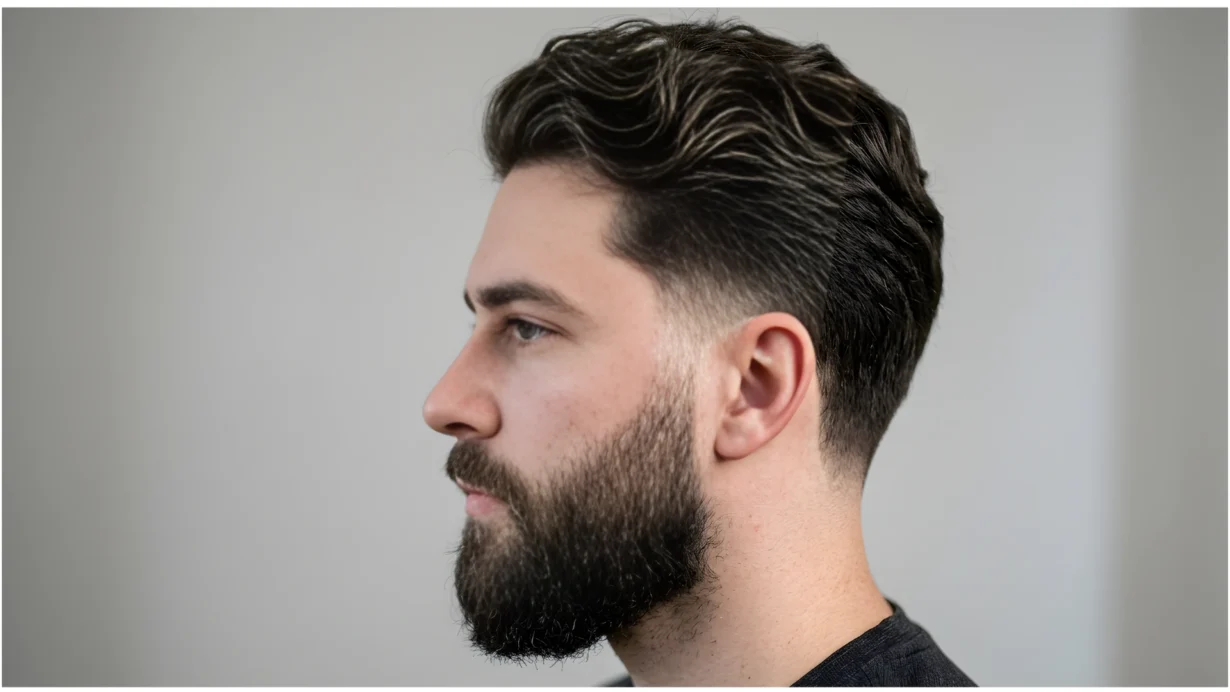
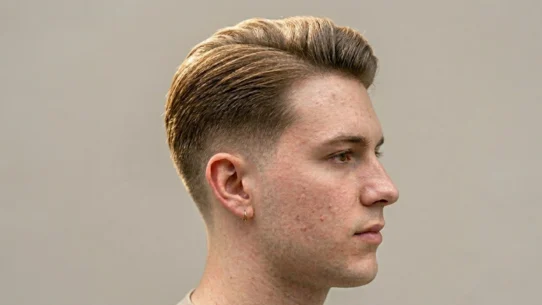
A taper haircut is a timeless style where hair gradually shortens from the crown to the neckline and sideburns, creating a clean, natural gradient without exposing the scalp. It follows your head shape for a polished look that works just as well in formal settings as it does in casual ones.
The term “taper” comes from the Latin papyrus, meaning “to narrow,” which aptly describes how this cut reduces bulk. Barbers shape it through three core techniques: edging (hairline definition), siding (blending sides and back), and topping (managing length and texture). While every fade is a type of taper, not every taper is a fade. The difference lies in how aggressive the transition gets.
Not every taper suits every face shape or hair type, and that’s where most people get it wrong. Keep reading to discover which taper actually works for your features, hair texture, and personal style so you can walk into the barber’s with clarity, not confusion.
What Is a Taper Haircut and Which Type Should You Get?
A taper haircut is a style in which hair gradually shortens from the crown down to the neckline and sideburns, creating a clean, natural gradient without exposing the scalp. It works for almost every hair type, face shape, and lifestyle from low, subtle tapers to bold, high-contrast versions. The right type depends on how sharp you want the contrast, how often you can visit your barber, and the environment you dress for daily.
KEY POINTS:
- Tapers keep visible hair at the edges while fades blend down to the skin
- High tapers suit round and diamond faces, while low tapers fit square and oblong faces
- Low tapers last 3–4 weeks, but high tapers need a refresh every 10–14 days
- Always bring a reference photo and use specific terms with your barber
Table of Contents
Which taper haircut actually suits you?
There are dozens of taper styles. The tool narrows them down to the ones that specifically fit your face shape and hair type.
Taper Haircut Explained: Types, Techniques, and Styling Methods for Men
A taper haircut is a timeless style where hair gradually shortens from the crown to the neckline and sideburns, creating a clean, natural gradient without exposing the scalp. It follows your head shape for a polished look that works just as well in formal settings as it does casually.
The term “taper” comes from the Latin papyrus, meaning “to narrow,” which aptly describes how this cut reduces bulk. Barbers shape it through three core techniques: edging (hairline definition), siding (blending sides and back), and topping (managing length and texture). While every fade is a type of taper, not every taper is a fade. The difference lies in how aggressive the transition gets.
Not every taper suits every face shape or hair type, and that’s where most people get it wrong. Keep reading to discover which taper actually works for your features, hair texture, and personal style so you can walk into the barber’s with clarity, not confusion.
Complete Types of Taper Haircut
Not all taper haircuts are created equal. The difference lies in where the taper starts, how sharp the transition is, and how it complements your face shape and hair type. From subtle, low tapers to bold, high-contrast styles, each variation serves a specific purpose and look.
Low Taper
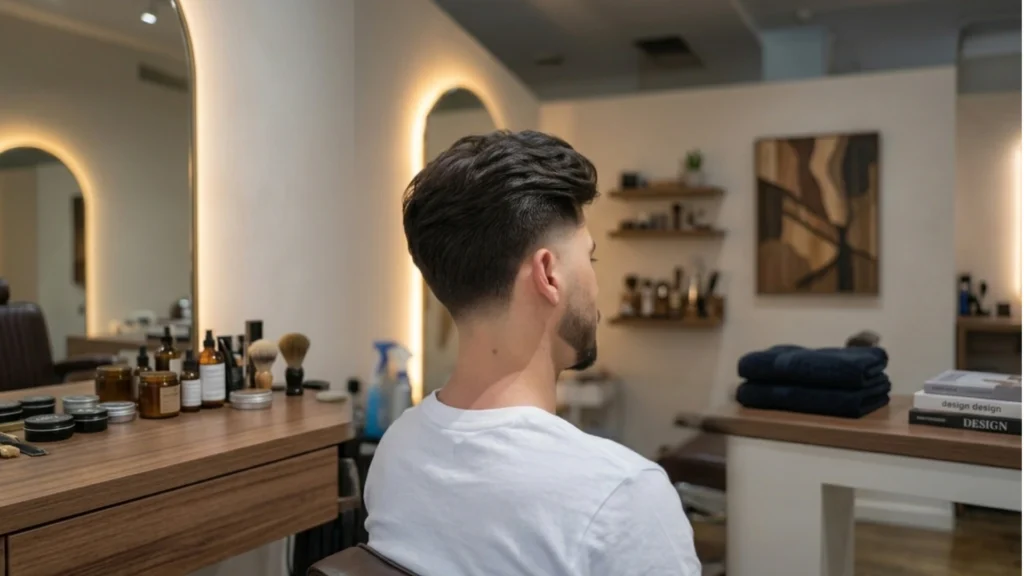
The low taper begins just above the ears, approximately 1 inch, and extends around the neckline. This subtle variation removes minimal length while creating a refined outline that enhances your natural hairline. The gradual reduction typically starts with a #4 clipper guard (1/2 inch) and blends down to a #2 guard (1/4 inch) at the bottom edges.
Best suited for: Round faces (creates vertical elongation), thick or dense hair (removes bulk conservatively), professional environments requiring conservative grooming, men new to tapered styles, mature professionals over 40
Maintenance: Every 3-4 weeks
Mid Taper (Medium Taper)
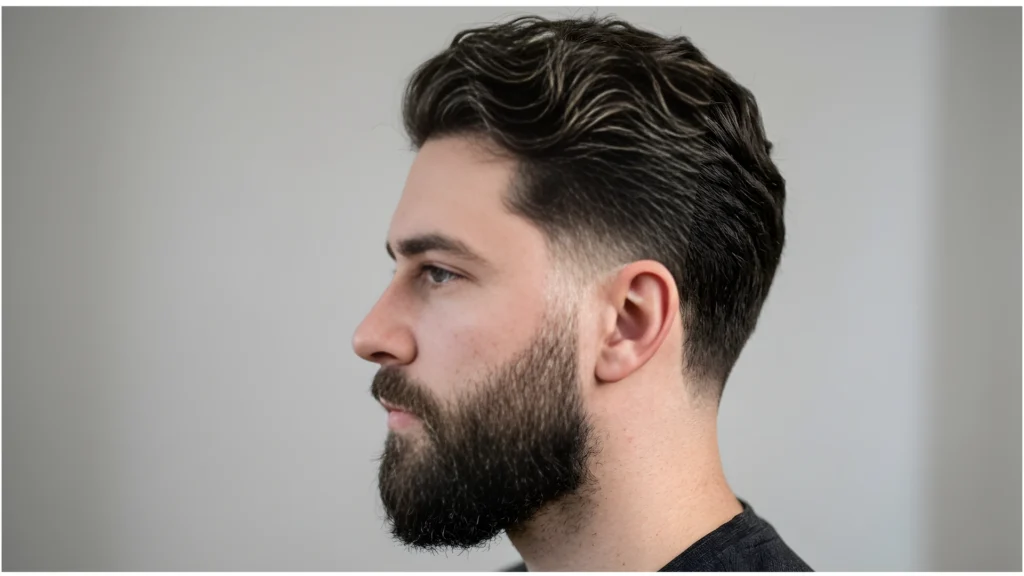
The mid taper initiates at the temple area, roughly at the midpoint of your head’s side profile. This creates more noticeable contrast while maintaining versatility for various styling options. The blend typically progresses from #4 guard at the starting point through #3, #2, and sometimes #1 near the bottom, creating a more dramatic gradient than a low taper.
Best suited for: Oval faces, square faces, wavy or curly hair textures, creative professionals, men seeking a balance between conservative and modern
Maintenance: Every 2-3 weeks
High Taper
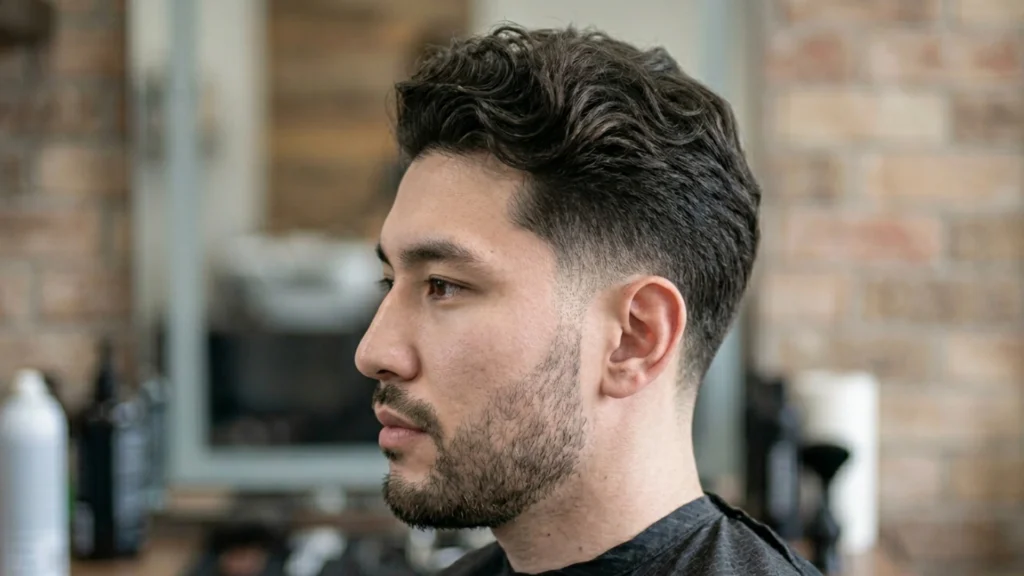
The high taper starts near the crown or upper temple region, approximately 2-3 inches above the ears. This bold variation creates maximum contrast between the longer top section and the closely tapered sides. The dramatic gradient effect draws attention upward and emphasizes whatever style you choose for the top, whether that’s a pompadour, quiff, or textured crop.
Best suited for: Diamond faces, heart-shaped faces, fine or thin hair (creates illusion of density), fashion-forward environments, younger men (18-35), trendsetting personalities
Maintenance: Every 10-14 days for optimal sharpness
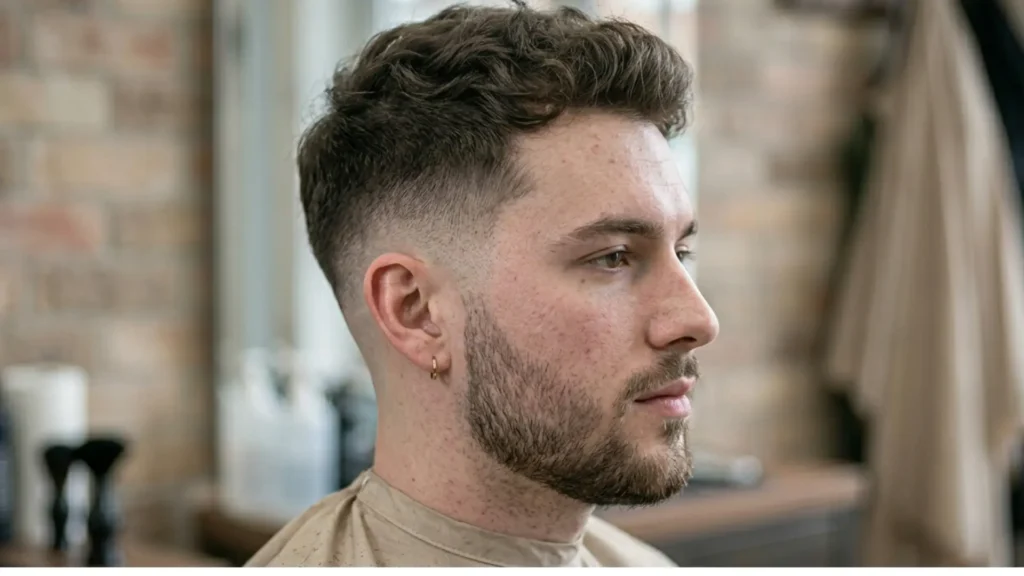
Classic Taper (Gentleman’s Cut)
The classic taper represents the traditional approach, a timeless style maintaining conservative proportions throughout. Hair gradually reduces from 2-3 inches on top to approximately 1/2 inch at the edges, using primarily the scissor-over-comb technique rather than aggressive clipper work. This style dominated men’s grooming from the 1920s through the 1960s and has experienced a resurgence.
Best suited for: All face shapes, corporate executives, formal occasions, men preferring timeless over trendy, salt-and-pepper or gray hair
Maintenance: Every 3-4 weeks
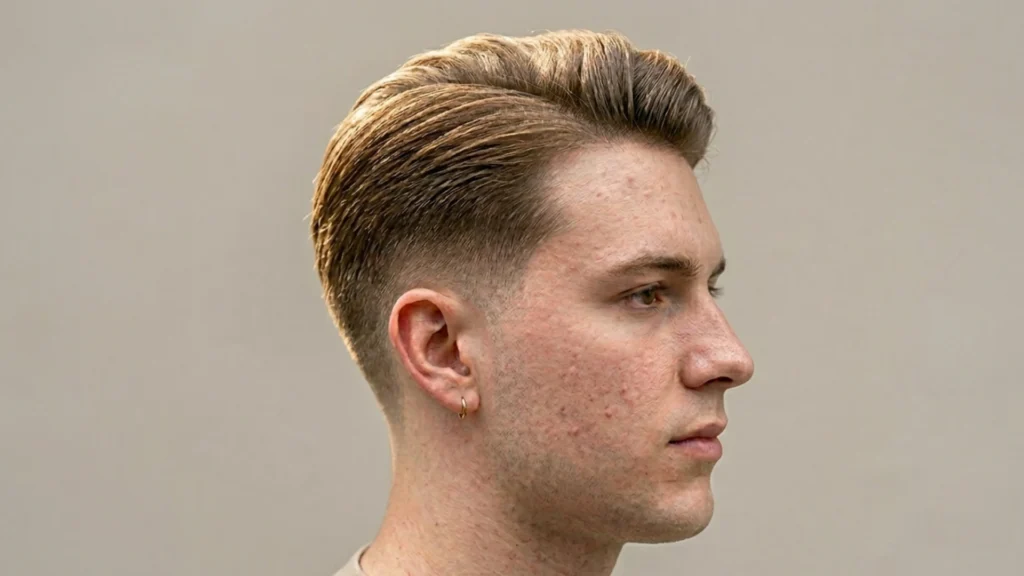
Temple Taper (Temp Fade)
The temple taper concentrates the graduation specifically around the temple region and sideburns while maintaining fuller coverage at the back. This targeted approach creates a sharp profile view and emphasizes facial features without committing to a full perimeter taper.
Best suited for: Oblong faces, men with full beards, artistic hairstyles, those growing out longer styles
Maintenance: Every 2-3 weeks
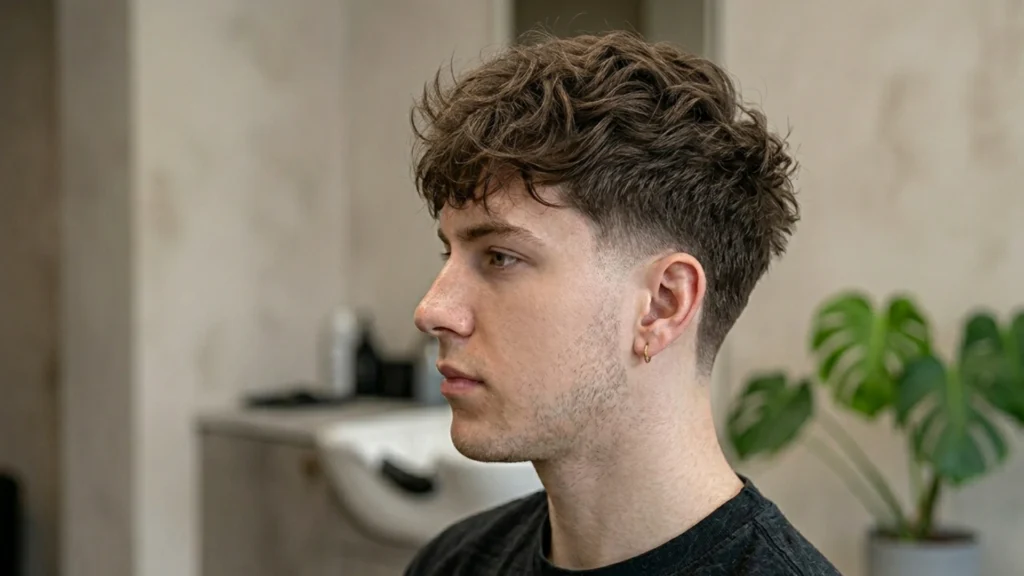
Drop Taper
The drop taper follows a curved line that “drops” lower behind the ears rather than maintaining a straight horizontal line. This creates a unique arc shape that follows the natural curve of your head, adding visual interest and modern flair to the traditional taper.
Best suited for: Round faces, creative styles, men wanting subtle uniqueness, those with pronounced occipital bones
Maintenance: Every 2-3 weeks
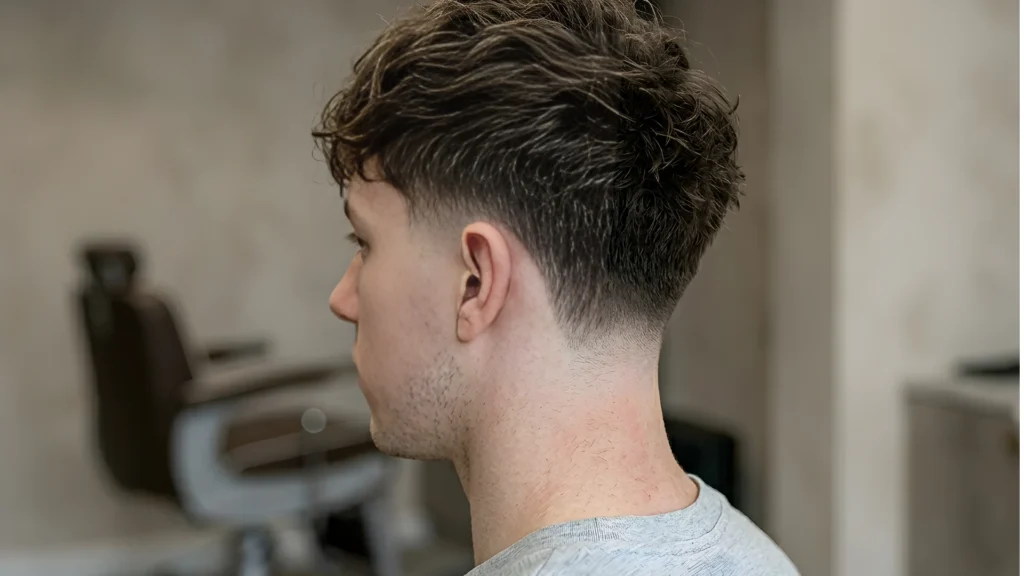
Military Taper (Regulation Cut)
The military taper adheres to armed forces grooming standards, extremely short sides (often #0 or #1 guard) with a crisp taper that maintains a professional, disciplined appearance. The top typically stays between 1 and 2 inches for easy maintenance and a neat appearance under caps or helmets.
Best suited for: Active military personnel, law enforcement, athletes, men preferring ultra-low maintenance
Maintenance: Weekly or bi-weekly
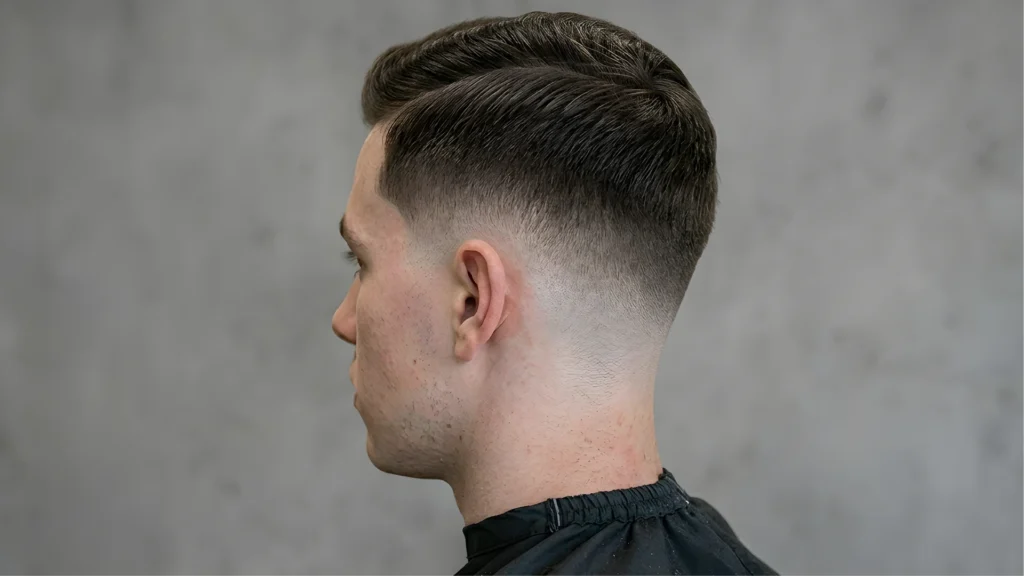
Tapered Undercut
The tapered undercut combines disconnected undercut styling with tapered edges for a softer transition. Instead of the harsh line typical of standard undercuts, the sides gradually blend while maintaining significant length contrast with the top.
Best suited for: Fashion-conscious men, thick hair, dramatic styling preferences, younger demographics
Maintenance: Every 2 weeks
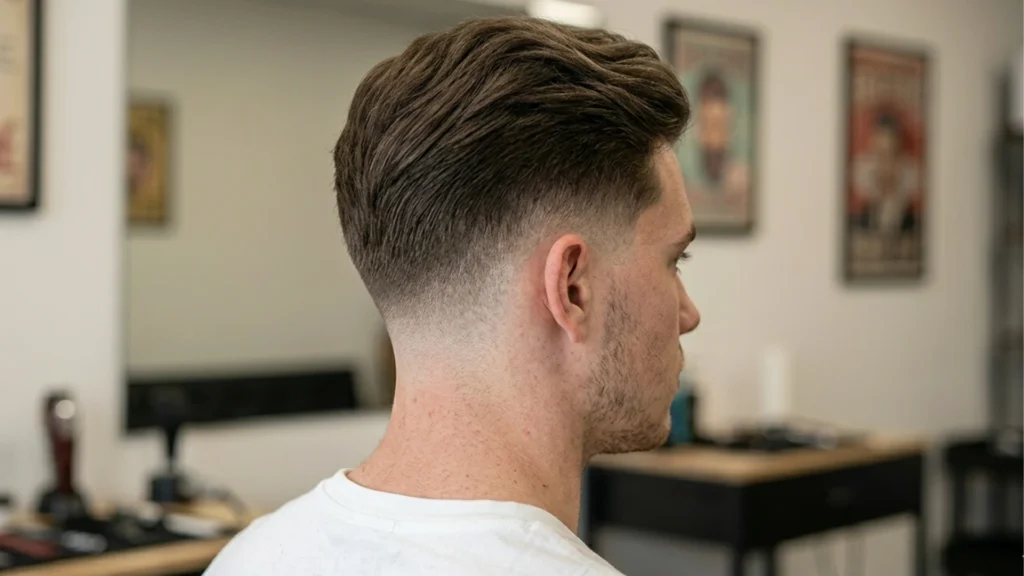
Skin Taper
The skin taper blends down to nearly bare skin at the very bottom edges while maintaining the gradual taper structure above. Unlike a skin fade, it retains the taper’s characteristic subtlety throughout most of the transition, exposing skin only at the final edge.
Best suited for: Sharp facial features, summer months, athletic lifestyles, bold personal style
Maintenance: Weekly for clean edges
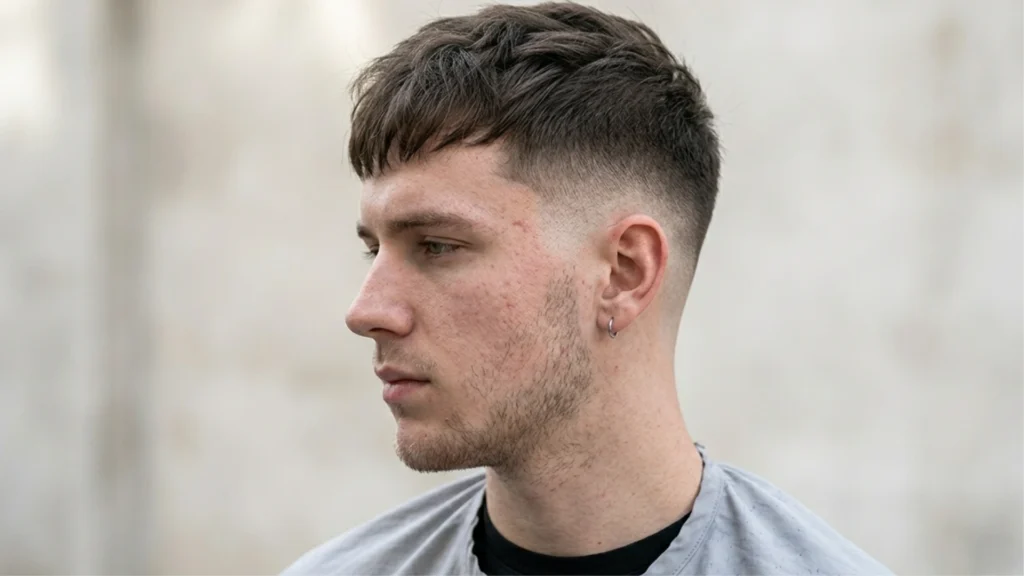
Taper vs. Fade: The Definitive Comparison
Understanding the distinction between tapers and fades eliminates confusion and ensures you request the right cut.
| Characteristic | Taper | Fade | Taper Fade (Hybrid) |
|---|---|---|---|
| Hair at the Bottom | Visible (#2 guard minimum) | Blends to skin (#0 or razor) | Taper top, fade bottom |
| Starting Point | Lower (ears/neckline) | Anywhere (low/mid/high) | Variable |
| Gradient Type | Gradual, subtle | Dramatic, high-contrast | Progressive contrast |
| Visibility of the Scalp | Never exposed | Exposed at bottom | Exposed only at base |
| Professional Suitability | Excellent, universal | Depends on workplace | Moderate |
| Growth Pattern | Natural, graceful | Noticeable line appears | Moderate grow-out |
| Maintenance Frequency | 3–4 weeks | 2–3 weeks | 2 weeks |
| Clipper Guards Used | #2–#4 primarily | #0–#2 primarily | Full range #0–#4 |
| Best for Hair Type | All types | Thick, coarse ideal | All types |
| Style Statement | Conservative, refined | Bold, modern | Versatile, adaptable |
The taper fade represents the best of both worlds maintaining the taper’s gradual transition through the upper portion while incorporating the fade’s dramatic finish at the bottom. This hybrid has become increasingly popular, with celebrities like Drake, Travis Kelce, and Michael B. Jordan showcasing variations.
The Professional Barbering Technique: How Tapers Are Created
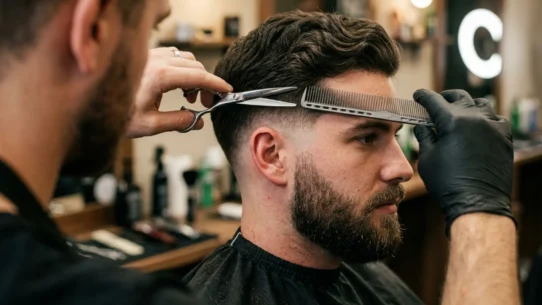
A great taper comes down to precision and technique. Barbers use a three-step system edging, siding, and topping to create clean lines, smooth blends, and a balanced finish.
The Three-Component System
1. Edging (Outlining) Edging establishes the haircut’s framework by defining the hairline, neckline, and sideburn boundaries. Barbers use precision trimmers (typically T-blade edgers) to create crisp lines that guide the entire cut. This includes:
- Front hairline shaping (natural, straight, or rounded)
- Sideburn length and angle determination
- Neckline design (blocked, rounded, or tapered point)
- Behind-the-ear cleanup
2. Siding (Blending) Siding involves the systematic reduction of hair length on the sides and back using various techniques:
- Clipper-over-comb: For longer taper sections (above #4 guard length)
- Guard progression: Systematic use of decreasing guard sizes
- Fading technique: Rocking or flicking motions to blend lengths
- Scissor work: Fine-tuning and personalizing the blend
The optimal clipper angle for smooth tapering is 45 degrees, creating seamless transitions between lengths.
3. Topping (Crown Work) Topping manages the hair on top and its connection to the tapered sides:
Length graduation: Ensures smooth flow into the taper
Point cutting: Creates texture and movement
Layering: Adds dimension and reduces weight
Texturizing: Removes bulk while maintaining shape
Understanding Clipper Guard Sizes
Professional barbers use standardized guard measurements:
| Guard # | Length (inches) | Length (mm) | Typical Use in Taper |
|---|---|---|---|
| #0 | 1/16″ | 1.5mm | Skin taper bottom edge only |
| #1 | 1/8″ | 3mm | High taper bottom, tight edges |
| #2 | 1/4″ | 6mm | Standard taper bottom |
| #3 | 3/8″ | 10mm | Mid-taper blend zone |
| #4 | 1/2″ | 13mm | Low taper starting point |
| #5 | 5/8″ | 16mm | Conservative taper top |
| #6 | 3/4″ | 19mm | Classic taper transition |
Neckline Shapes Explained
Blocked (Square): Creates a straight horizontal line across the neck. Best for narrow necks and adding width perception.
Rounded: Follows the natural hairline curve. Most versatile and flattering for all neck types.
Tapered (Pointed): Gradually narrows to a subtle point. Ideal for thick necks or creating elongation.
Complete Face Shape and Hair Type Guide
Optimal Taper by Face Shape
Your face shape sets the foundation for how a taper haircut will actually look. The goal is not to blindly follow trends, but to create balance either by adding structure, reducing width, or softening strong features.
Round Face
For round face shapes, a high taper or temple taper tends to work best because it reduces bulk on the sides and adds vertical structure, which helps elongate the face. Since round faces lack sharp angles, adding height on top creates a more defined and balanced appearance. On the other hand, low tapers should be avoided as they keep fullness around the widest part of the face, making it look even broader.
Square Face
A square face already has strong angles and a defined jawline, so the goal is to soften rather than enhance those features. Low tapers or classic tapers work well here because they create a smoother transition around the sides without adding extra sharpness. In contrast, high tapers can make the face appear more boxy by emphasizing its natural structure.
Oval Face
An oval face is naturally well-balanced, which means almost any taper style can work without throwing off proportions. Whether you choose a high, mid, or low taper, the result usually complements your features, making this face shape the most versatile. Instead of strict rules, the focus should be on personal style and hair texture.
Heart-Shaped Face
For heart-shaped faces, where the forehead is wider and the chin is narrower, a mid taper or drop taper helps create a more even visual balance. These styles prevent the upper part of the face from appearing too dominant by maintaining some volume through the midsection. Very high tapers are not ideal, as they can further accentuate forehead width.
Diamond Face
Diamond face shapes feature prominent cheekbones, a narrower forehead, and a narrower jawline, so the aim is to shift attention away from the middle of the face. A high taper paired with volume on top works effectively because it draws the eye upward and creates a more balanced silhouette. Mid tapers should generally be avoided as they can highlight the widest point of the face.
Oblong / Long Face
For oblong or long face shapes, the priority is to reduce the appearance of length and add a sense of width. A low taper works best because it keeps more volume on the sides, making the face look more proportionate. High tapers, in contrast, can further elongate the face by removing too much from the sides and drawing attention upward.
You now know your face shape and which styles work best for it, but picking the single best match is still guesswork. Upload a photo and get your top taper styles ranked by how well they fit your actual face geometry in about 60 seconds.
Hair Type Optimization
Your hair type plays a major role in how a taper looks and behaves. Choosing the right taper and styling approach based on your natural texture ensures better shape, easier maintenance, and a more polished overall finish.
Straight Hair (Type 1)
Straight hair naturally showcases the precision of a taper, making clean lines and fades stand out more clearly than any other hair type. Because of this, low and mid tapers tend to work best as they prevent the hair from sitting too flat against the head, which can sometimes create a “helmet” effect.
To avoid that stiffness, adding texture through products like sea salt spray or texture powder helps introduce movement and dimension. Finishing with matte clay keeps the look natural and controlled without making the hair appear overly styled or greasy.
Wavy Hair (Type 2A–2C)
Wavy hair adds natural movement to any taper, so even simple cuts can look more dynamic and well-styled with less effort. This texture works well with almost all taper heights, but a drop taper can add a bit of uniqueness by complementing the natural flow of the waves.
To get the best results, applying a lightweight styling cream on damp hair helps define the waves without weighing them down. Scrunching and letting the hair air-dry enhances its natural pattern, giving a relaxed yet polished finish.
Curly Hair (Type 3A–3C)
Curly hair benefits from a balance between structure and volume, which is why mid and high tapers are often the best choice. These tapers clean up the sides while allowing the curls on top to stand out, creating a well-defined shape.
Using a curl-defining cream on damp hair helps retain moisture and reduce frizz, while diffusing on low heat or air-drying helps preserve the curl pattern. A temple taper can further refine the look by keeping the edges neat without taking away from the natural fullness of the curls.
Coily / Afro-Textured Hair (Type 4A–4C)
Coily or afro-textured hair offers a lot of versatility for taper styles, as different variations can work depending on the desired look. Low tapers are ideal for maintaining maximum volume, while skin tapers create a sharper contrast for a more defined, bolder appearance. Keeping the hair hydrated is essential, so using a leave-in conditioner along with a twist cream helps retain moisture and enhance texture.
Attention to edge work is especially important here, as clean, precise lines can elevate the entire haircut, making it look intentional and well finished.
Styling Products and Techniques
The right styling products and techniques can completely transform how your taper looks and holds throughout the day. By choosing the right finish and applying products correctly, you can enhance texture, control shape, and maintain a polished style with minimal effort.
Product Selection by Desired Finish
Choosing the right styling product is just as important as the haircut itself, because it directly affects how your taper looks throughout the day. The finish you go for whether natural, sleek, or voluminous, should match both your hair type and the overall style you’re aiming to achieve.
Natural Matte Look
If you prefer a more effortless and casual appearance, a natural matte finish works best. Products like texture clay or matte paste help create definition without adding shine, making them ideal for textured crops or slightly messy styles. For best results, rub a small amount between your palms and work it through dry hair to control the shape without flattening the volume. This approach keeps the hair looking styled but not overly done.
Sleek Shine Finish
For a more polished and formal look, a sleek shine finish is the way to go. Pomades, whether water-based or oil-based, provide the smooth, glossy appearance often seen in slick-backs and side parts. Applying the product to slightly damp hair allows for even distribution and easier control, especially when using a comb to set the direction. This technique creates a refined style that holds its shape throughout the day.
Flexible Hold
If you want something in between, not too stiff, not too loose, products like molding paste or styling cream offer a flexible hold. These are perfect for styles that need natural movement and can be reshaped throughout the day. Working the product through towel-dried hair helps distribute it evenly while maintaining softness so the hair doesn’t feel heavy or overly structured.
Maximum Volume
For those aiming to add height and fullness, especially with finer hair, volumizing products make a noticeable difference. Texture powder or volumizing mousse can be applied directly to the roots before blow-drying to create lift and grip. This works particularly well for styles like pompadours or quiffs, where volume is the main focus. The key is to build structure from the roots rather than relying only on finishing products.
Daily Styling Routine (5–7 Minutes)
A good styling routine does not need to be complicated. With the right approach, you can achieve a clean, well-structured look in just a few minutes without overloading your hair with products.
Step 1: Preparation
Start with clean, towel-dried hair so your products can work effectively without buildup from previous styling. If you plan to use heat, applying a heat protectant at this stage helps prevent damage and keeps your hair healthy in the long run.
Step 2: Pre-Styling
This step sets the foundation for your style. Adding a bit of texture powder to the roots can give your hair grip and volume, while a sea salt spray creates a more relaxed, beachy texture. Choosing one depends on whether you want structure or softness in your final look.
Step 3: Blow-Drying (Optional)
Blow-drying is optional but highly effective if you want more control and volume. Using medium heat instead of high protects your hair while still allowing you to shape it properly. Lifting the roots as you dry and directing airflow where you want your hair to sit makes styling much easier later.
Step 4: Product Application
When applying your main styling product, start small a dime-sized amount is usually enough. Warm it between your palms to ensure even distribution, then work it through your hair from back to front to avoid overloading the front section. This keeps the style balanced and natural.
Step 5: Finishing
Once the product is evenly applied, shape your hair using your fingers or a brush depending on the style you want. You can add a small amount of extra product to detail specific areas, but avoid overdoing it. If needed, finish with a light hairspray to hold everything in place without stiffening the hair.
2026 Trending Taper Styles
Current Year Innovations
Taper haircuts in 2026 are moving beyond basic fades toward more personalized, expressive styles. The focus is on blending structure with individuality, meaning clean sides are still essential, but the top is where creativity shows.
Here are the standout taper trends shaping this year:
- The Textured Taper
- Combines heavy texture on top with clean tapered sides
- Emphasizes natural movement over rigid styling
- Works especially well for casual, everyday looks
- The Burst Taper Mullet
- Features a burst taper around the ears with length at the back
- Creates a contrast of clean sides and a fuller rear
- Often described as business in the front, party in the back
- The Wave Taper
- Keeps natural waves defined on top with a tight taper on the sides
- Popular in streetwear and hip-hop-inspired styles
- Focuses on enhancing texture rather than controlling it
- The Sustainable Taper
- Designed to grow out cleanly over 3–4 weeks
- Reduces the need for frequent barber visits
- Appeals to those looking for low-maintenance, practical styles
- The Hybrid Taper
- Blends two or more taper heights into one seamless cut
- Creates a customized, less “template” look
- Ideal for those who want something unique but still clean
Common Mistakes and How to Avoid Them
Even a well-cut taper can fall short if common mistakes go unnoticed. Understanding what to avoid from poor product use to mismatched taper choices helps you maintain a cleaner look and get the most out of your haircut.
Mistake #1: Wrong Height Selection
Problem: Choosing a taper height that conflicts with lifestyle.
Solution: Start conservative, increase height gradually
Mistake #2: Ignoring Growth Patterns
Problem: Fighting natural cowlicks and swirls.
Solution: Work with your barber to identify and accommodate patterns
Mistake #3: Product Overload
Problem: Too much product creates a greasy, heavy appearance.
Solution: Start with a pea-sized amount, build as needed
Mistake #4: DIY Neck Cleanup
Problem: Creating uneven lines, raising the natural neckline
Solution: Only clean obvious strays, leave shaping to professionals
Mistake #5: Delayed Maintenance
Problem: Losing all shape and definition.
Solution: Book the next appointment before leaving the barbershop
Mistake #6: Poor Barber Communication
Problem: Getting a different cut than envisioned.
Solution: Use specific terminology and show references
Professional Tips from Master Barbers
A great taper is not just about the cut; it’s also about how you maintain and style it daily. These practical tips from experienced barbers can help you get better results, extend the life of your haircut, and avoid common styling frustrations.
Tip #1: The 48-Hour Rule Wait 48 hours after your cut before judging it. Hair settles, and styling improves with practice.
Tip #2: Photograph Your Perfect Cut Take photos from all angles when you love your haircut for future reference.
Tip #3: Seasonal Adjustments Go one guard shorter in summer for cooling, one guard longer in winter for warmth.
Tip #4: The Shower Reset If morning styling fails, wet hair completely and start over faster than fighting bad product application.
Tip #5: Travel Kit Essentials Pack travel-size texture powder and folding comb works without water for quick touch-ups.
Tip #6: The Blend Test Run your hand up the taper properly blended hair feels consistently smooth without ridges.
Frequently Asked Questions
1. Is a taper the same as a fade?
No a taper maintains visible hair at all points while a fade blends down to bare skin. All fades are technically tapers, but not all tapers are fades.
2. How much does a professional taper cost?
Professional taper haircuts typically cost $25-$50 at standard barbershops, $50-$75 at upscale salons, and $75-$150 at luxury establishments in major cities.
3. Which taper is best for thick hair?
Mid and high tapers work best for thick hair because they reduce bulk on the sides while preserving styling options on top. Ask your barber about thinning shears for the crown if needed.
4. Can older men wear taper haircuts?
Absolutely, tapers are age-universal. Classic and low tapers particularly suit mature men, providing a distinguished, professional appearance while being low-maintenance.
5. Will a taper work with a receding hairline?
Yes tapers actually complement receding hairlines by creating structure around existing hair and balancing proportions. High tapers can minimize contrast between the hairline and the sides.
6. How do I maintain my taper between cuts?
Keep edges neat with careful trimmer work on obvious strays only, moisturize daily, use appropriate styling products consistently, and avoid over-washing, which accelerates the unkempt appearance.
7. What’s the difference between blocked and tapered necklines?
Blocked necklines create a straight horizontal line across the neck, while tapered necklines gradually narrow to a natural point. Tapered necklines grow out more gracefully.
8. Can women get taper haircuts?
Yes, taper techniques excel in women’s pixie cuts, undercut bobs, and short natural styles. The same principles apply regardless of gender.
9. Should I get a taper or taper fade?
Choose a traditional taper for conservative environments and lower maintenance (3-4 week refresh). Choose a taper fade for a modern, bold aesthetic that requires bi-weekly maintenance.
10. What face shape suits a high taper best?
High tapers work best on round, heart-shaped, and diamond faces because the dramatic side reduction adds angles and vertical emphasis.
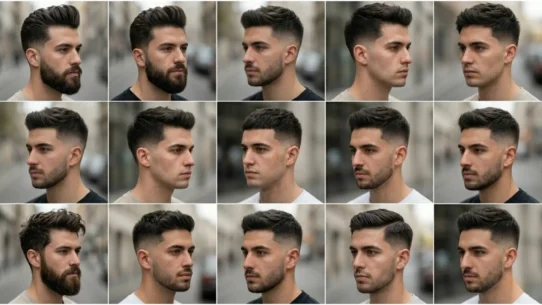
[…] general fading logic behind this haircut follows the same principles used across any taper haircut, but the fringe adds a layer of styling decisions that a plain taper doesn’t need to deal […]